When a shopper in Berlin clicks “buy” and finds the amount suddenly higher at checkout, trust evaporates in seconds. The same shock happens in São Paulo, Sydney, or Seattle, and each time it slices conversion, triggers support tickets, and hurts the brand. Avoiding that nightmare takes more than luck; it requires a pricing playbook built for many currencies, tax codes, and real-time promotions.
Global brands have learned that the cost of fixing price mistakes far exceeds the cost of preventing them. A single inaccurate price can fan out across search ads, social posts, and affiliate feeds in minutes. By the time the error is rolled back, screenshots are circulating, refunds loom, and legal teams get involved. The goal, therefore, is simple: make sure the first number the shopper sees is always the last.
Why Price Display Errors Multiply Across Borders
Domestic sites have only one set of rules to follow, but cross-border storefronts juggle exchange rates, VAT, GST, local environmental fees, and regional discount laws. Each layer adds one more place where rounding or timing can break. A currency that moves two percent overnight can turn a perfectly calculated price into a loss leader by morning. Regional tax holidays and last-minute legislative tweaks pile on yet more complexity.
To cope, many merchants use IP-based redirection services such as https://www.geoplugin.com/geo-ip-redirect to steer shoppers to the correct locale. While that solves the language and catalog problem, it also means every page generation depends on fresh geo-logic, live rate tables, and duty calculations. One stale value anywhere in the chain can surface an incorrect amount on the product page or, worse, at checkout.
Left unmanaged, these small drifts sow doubt among customers and create reconciliation headaches for finance teams. Prevention starts with locking down the base price before layering on anything that changes per market.
Foundation: A Single Source of Truth
The safest strategy is to store one net price per SKU in a headless pricing service that every channel calls. No spreadsheets, no copy-paste, no local overrides. If merchandising wants to run a flash sale, it edits the canonical record once, and that change flows simultaneously to the website, the mobile app, and every marketplace feed.
Centralizing sounds obvious, yet many retailers still let country managers upload their own lists. The payoff for consolidation shows up quickly. The Baymard Institute’s 2024 Checkout Usability study found that 14% of cart abandonments happen when the final price differs from the product page.
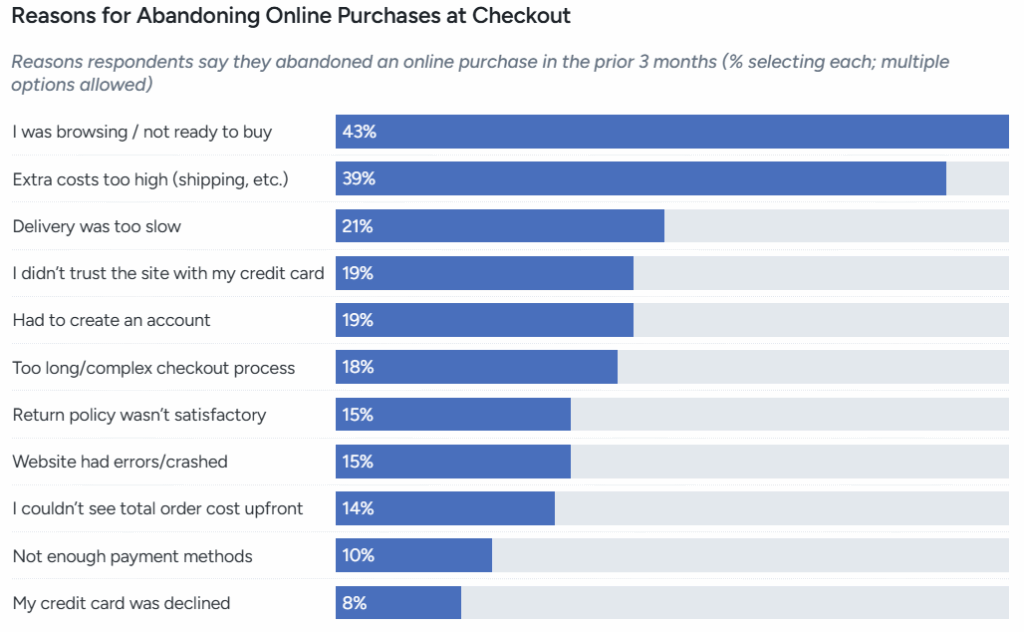
Brands that resolved those mismatches cut overall abandonment by nearly one-fifth, a revenue lift that usually covers the integration budget within a quarter.
Version control inside the pricing service provides another layer of safety. The team can quickly revert to the prior commit in the event that an intern inadvertently sets a 90% discount instead of a 9%, preventing headline-grabbing “everything for a dollar” catastrophes.
Real-Time Currency and Tax Layers
Once the base figure is locked, conversion and duty logic add the local flavor. Treat them as decorators, not edits to the core price. Doing so keeps the math transparent and easier to audit.
Currency Feed Resilience
A single FX provider may cost less on paper, but any hiccup, latency, bad data, or downtime will ripple through every displayed amount. Progressive merchants therefore poll two or three rate sources, weight them for reliability, and automatically switch when a feed deviates beyond a tiny threshold. The system logs the swap, alerts finance, and keeps pages loading without noticeable delay.
Automatic Tax Detection
Hand-maintained tax tables age quickly. Modern carts call regional tax APIs on the fly, using HS codes to return landed cost before the shopper reaches the payment step. The logic runs at the CDN edge, adding only milliseconds. Buyers see an “all-in” price upfront, and business accounting software receives jurisdiction-specific breakdowns ready for filing.
Front-End Guardrails That Catch Last-Mile Mistakes
Even perfect back-end math cannot stop a rogue CMS widget from showing yesterday’s promotion. That is why client-side and edge-side validation act as a last defense. They compare the number rendered in HTML with the authoritative value from the pricing API just before the response is served.
First, some code, then the human explanation: the approach is not rocket science; it is simply automated double-checking.
- Component JSON schemas reject impossible values such as negative or zero prices.
- Synthetic browser tests open random SKUs every five minutes and diff displayed versus expected amounts.
- JavaScript listeners log any price change between the product page and the cart to analytics for real-time alerting.
When drift crosses a preset threshold, the monitoring tool pings the on-call merchandiser. Because alerts arrive while the mistake is still invisible to most visitors, the team usually fixes it before social media notices.
Guardrails do not replace human review, but they buy time and shrink the blast radius of inevitable slip-ups.
Training and Governance: People Close the Loop
Tools matter only if the people who drive them understand the rules. Leading retailers, therefore, certify anyone with price-editing rights. The short course covers rounding standards, promotion naming, rollback drills, and regional compliance quirks. Quarterly audits then sample a slice of SKUs and trace each price from source to storefront. Findings feed into updated playbooks, turning every near-miss into a learning moment.
A shared culture of pricing hygiene also smooths collaboration between merchandising, legal, and engineering. When everyone speaks the same vocabulary base, decorator, override, and rollback decisions are faster, and blame games fade.
Key Takeaways for 2026
Price display errors will never vanish completely, yet they can be pushed into the background where shoppers rarely see them. Anchor every SKU in a single source of truth, layer on currency and tax in real time, validate at the edge, and train your people to treat prices as living data rather than static text. Do this well, and you earn more than clean ledgers; you earn trust, and trust converts.