As cryptocurrencies continue to gain mainstream attention, digital wallets have become the backbone of how investors, traders, and everyday users manage their assets. Yet with this growth comes heightened security risks. In 2024 alone, blockchain analytics firms reported more than $2.2 billion stolen through hacks and scams, a 21 percent increase compared to the previous year. Unlike traditional finance, there is no bank hotline to reverse a mistaken transfer or recover stolen funds.
For anyone entering the world of digital assets in 2025, wallet security must be treated as a top priority. This guide explains the most pressing threats, the best practices to secure your funds, and how to recognize common scams so that you can reduce risk while navigating the opportunities of Web3.
Why Crypto Wallet Security Matters in 2025
The decentralized nature of blockchain is both its greatest strength and its greatest challenge. With full control of your assets also comes full responsibility. If a wallet is compromised, recovery is virtually impossible.
Hackers are developing increasingly advanced techniques, from phishing sites that mimic legitimate platforms to malware that changes wallet addresses during a transaction. In parallel, scammers are exploiting social channels and impersonating support staff to trick users into revealing private keys.
For new investors, there is also the risk of being lured into projects that appear legitimate but are designed as exit scams. In 2025, as the market heats up with new innovations such as the Ripple stablecoin, it is critical to combine innovation with caution.
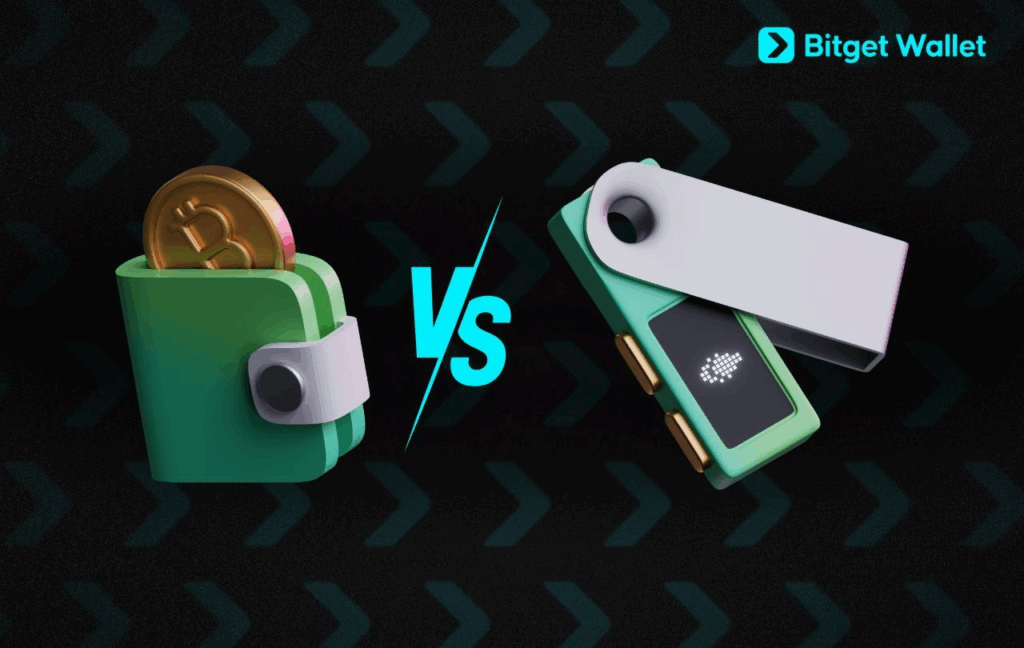
Choosing the Right Wallet: Hot vs. Cold Storage
Hot Wallets
Hot wallets are connected to the internet and include mobile apps, web-based wallets, or browser extensions. They are highly convenient for everyday transactions and trading, offering fast access to assets. However, their constant connectivity makes them more vulnerable to malware, phishing, and hacks.
Cold Wallets
Cold wallets, such as hardware wallets or paper wallets, remain offline. They are considered the gold standard for storing large amounts of crypto for the long term. By being disconnected from the internet, they are far less exposed to remote attacks.
Best Practice: Diversification
Security experts recommend using both. A hot wallet can be kept for daily use and transactions, while the bulk of holdings should remain in cold storage. This dual strategy balances convenience with protection.
Essential Security Practices for Wallet Safety
Create Strong Passwords
Passwords remain the first line of defense. Each wallet should have a unique password of at least 16 characters, combining letters, numbers, and symbols. Password managers can help generate and store complex logins securely.
Enable Two-Factor Authentication (2FA)
Two-factor authentication adds an additional layer of security. Use authenticator apps or hardware keys rather than SMS verification, which is vulnerable to SIM-swapping attacks.
Protect Your Seed Phrase
The seed phrase, or recovery phrase, is the master key to your wallet. It should never be stored in digital files, screenshots, or cloud storage. Instead, record it offline and store it securely in multiple physical locations.
Verify Wallet Addresses
Clipboard hijacking malware can alter copied wallet addresses without detection. Always double-check the full wallet address before confirming any transfer.
Keep Software Updated
Outdated applications and firmware are prime targets for exploits. Regularly update wallet software, mobile apps, and hardware firmware to benefit from the latest security patches.
How to Spot and Avoid Scams in 2025
Fake Wallet Apps
One of the fastest-growing threats is counterfeit wallet apps that appear identical to official versions. To avoid this, only download from verified app stores and follow links from official websites.
Fraudulent Airdrops and Tokens
Scammers frequently promote fake airdrops, asking users to connect their wallet or approve suspicious contracts. Other tactics involve issuing copycat tokens that mimic real ones but have different contract addresses. Always verify token contracts on blockchain explorers before purchasing or trading.
Social Engineering and Impersonation
Fraudsters often pose as wallet support staff on Telegram, Discord, or email. They create urgency, asking for sensitive details such as private keys or recovery phrases. Legitimate support teams will never request such information.
For users exploring different acquisition methods, understanding how to buy xrp with paypal can also help streamline the process of moving funds securely into their preferred wallets.
Recognizing Red Flags
Red flags include unsolicited offers, too-good-to-be-true rewards, high-pressure timelines, and direct requests for personal wallet details. If in doubt, disengage immediately.
Tools and Features That Enhance Security
Built-in Security Scanners
Some wallets, have integrated scanners that flag suspicious smart contracts and transactions. These tools provide an added line of defense for users who may not have the technical expertise to evaluate contracts themselves.
Rely on Trusted Exchanges
Using exchanges with established security track records reduces exposure to unverified platforms. Major exchanges often provide additional protection features such as withdrawal whitelists and advanced anti-phishing tools.
Cross-Checking Smart Contracts
Before interacting with a decentralized application or buying a new token, check its contract address across official channels and blockchain explorers.
Best Practices Checklist for 2025
- Store large amounts of crypto in cold wallets.
- Use hot wallets only for regular transactions.
- Create strong, unique passwords for each account.
- Enable two-factor authentication with hardware or app-based solutions.
- Backup seed phrases offline, never in digital form.
- Always verify wallet addresses and token contracts.
- Download apps exclusively from official websites or stores.
- Stay updated on emerging scam tactics and security updates.
Conclusion
Securing your crypto wallet in 2025 is about adopting a proactive mindset. With billions of dollars lost each year to hacks and scams, security cannot be treated as optional. By combining cold and hot storage, enabling two-factor authentication, protecting your seed phrase, and staying alert to common scams, you can drastically reduce your exposure to risk.
Crypto rewards come with responsibility. By following these steps, you can participate in the future of digital finance while keeping your assets safe.
Ready to take your wallet security seriously? Download Bitget Wallet today and experience a top crypto wallet built for beginners and experts alike. Manage stablecoins securely, trade trending memecoins, and enjoy seamless cross-chain access, all in one trusted app.